
Most consumer platforms fail before they ever find an audience. Not because the idea was bad. Because the platform was built wrong. Slow load times, messy checkout flows, confusing navigation. These push real users away fast, and they rarely come back.
Here is the good news. Working with the right consumer platform development company can cut your time to market by 30 to 50 percent. And more importantly, you end up with something people actually want to use. Something that converts, retains, and grows.
This guide covers the best consumer platform development companies you can hire today. Whether you are building an e-commerce store, a retail marketplace, or a consumer-facing web app, you will find the right match here.
Consumer platform development is the process of building digital products that everyday people use to shop, browse, book, or engage with a brand online. Think e-commerce stores, retail platforms, subscription services, booking systems, and consumer marketplaces.
Unlike B2B software, consumer platforms need to feel effortless. A business user will tolerate a clunky interface. A consumer will not. They will just leave.
The goal is simple. Build a platform that is easy to use, fast to load, and drives real action. Whether that is a purchase, a signup, or a return visit. That requires solid UX strategy, clean interface design, and reliable technical development working together from day one.
According to Forrester Research, every dollar invested in UX brings back up to 100 dollars in return. Good platform design is not a nice-to-have. It is a direct business decision.
Here is a side-by-side look at the companies covered in this guide, so you can spot the right fit before reading deeper.
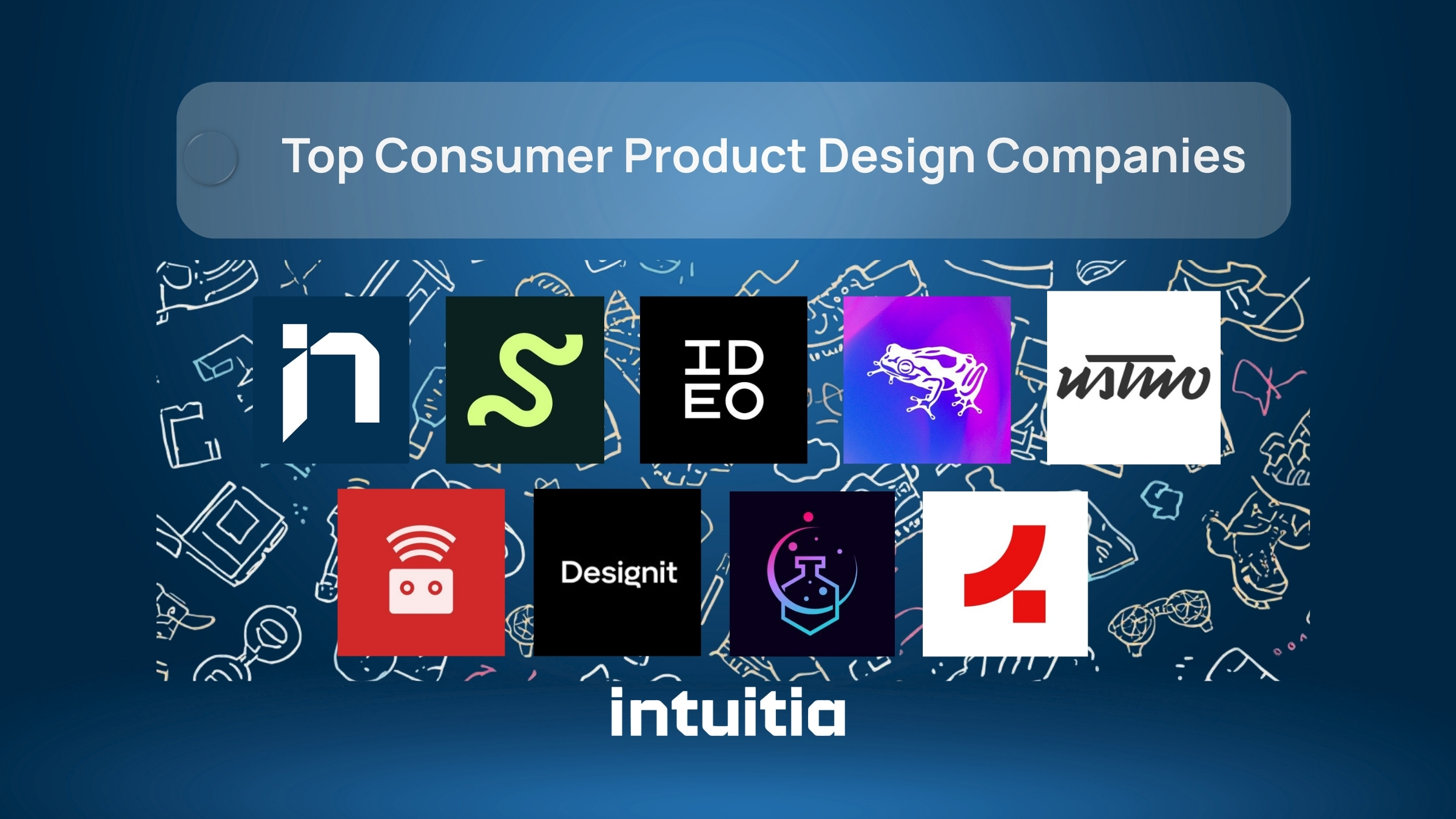
Each company below was selected based on real portfolio work, consumer platform experience, and the ability to take a product from idea to launch. Here is what you need to know about each one.
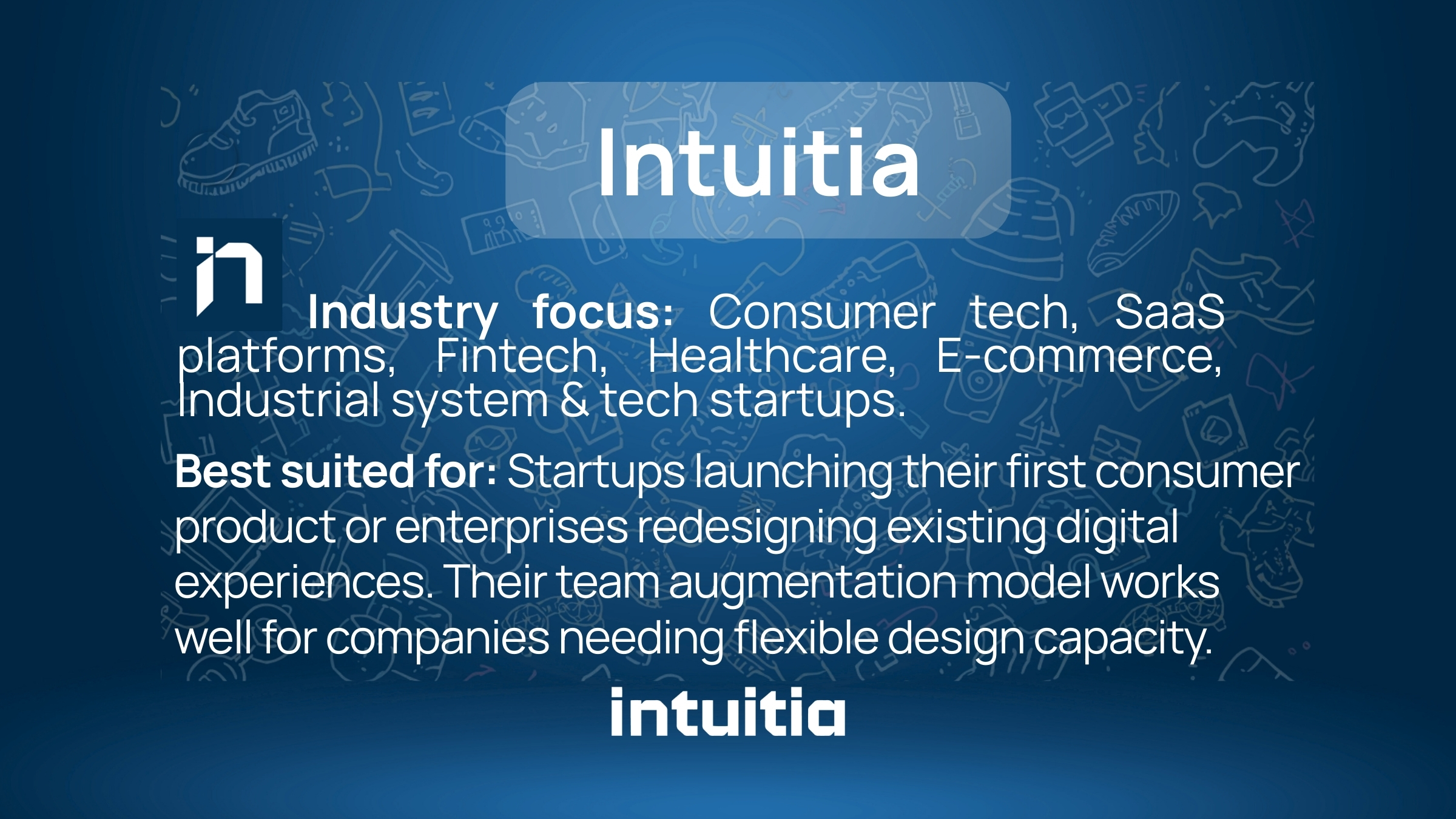
Intuitia is a UI/UX and platform development company that helps businesses build consumer-facing digital products people actually enjoy using. They work with startups launching their first platform and enterprises looking to rebuild an existing one.
Company overview: Intuitia works at the intersection of design and development, helping brands build consumer platforms that are intuitive, fast, and built to convert. Their process combines deep user research with execution, so nothing gets lost between strategy and launch.
Core services:
Industry focus: E-commerce, retail platforms, fintech, healthcare apps, consumer SaaS, and digital marketplaces
Best suited for: Startups building a consumer platform from scratch and enterprises redesigning their existing digital experience. Their team augmentation model also works well for companies that need flexible design and development capacity without hiring full-time. You can explore their portfolio to see past work across consumer-facing products.
Why they stand out: Intuitia does not separate design from development. Research, interface design, and platform build happen as one connected process. That means fewer surprises late in the project and a faster path to launch.
They have helped startups and enterprises across multiple industries ship consumer platforms that are both well-designed and technically solid. If you want to talk through your project, reach out to their team directly.
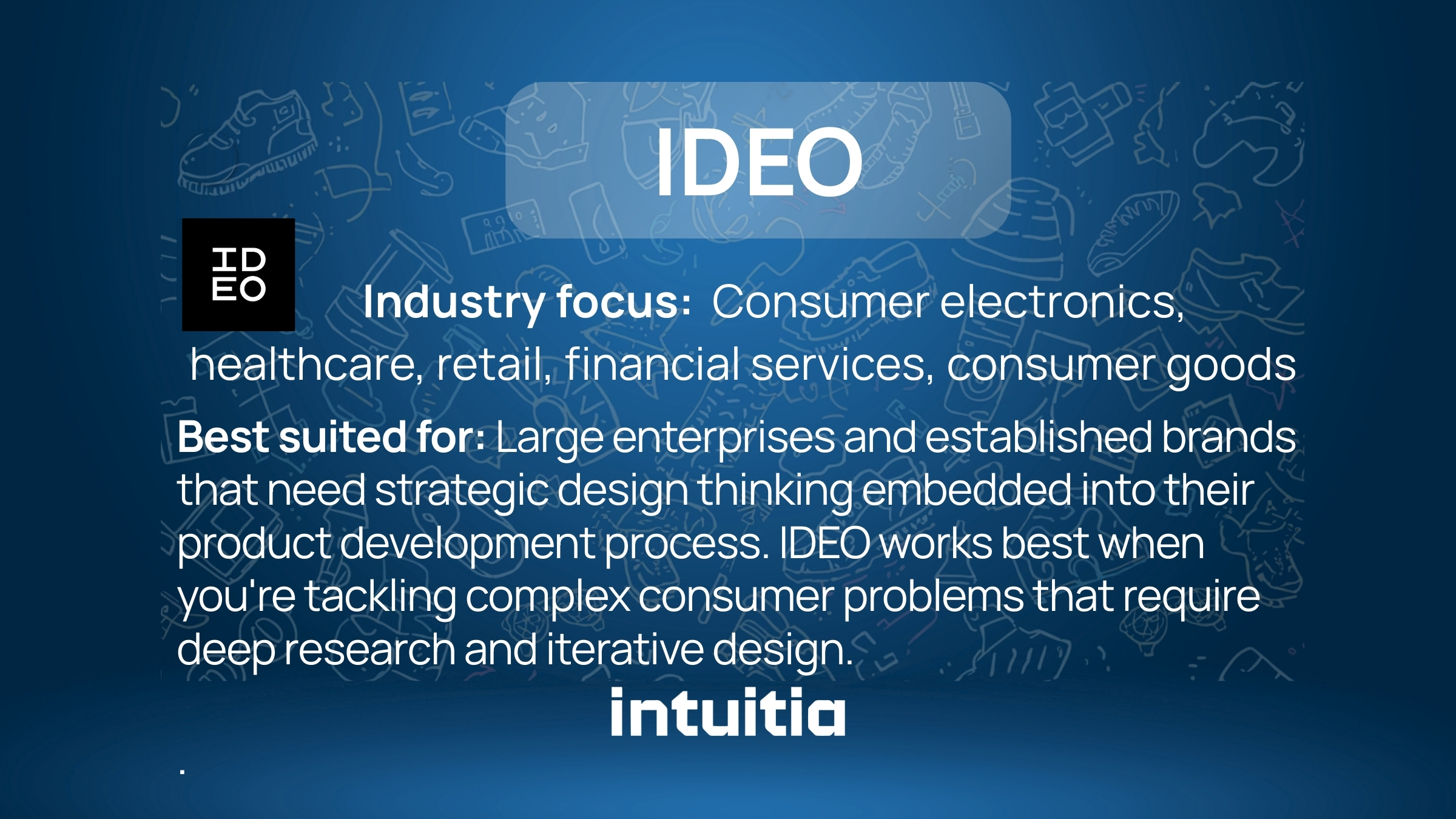
IDEO has been shaping how companies approach consumer platform development for decades. They practically built modern design thinking as the industry knows it today.
Company overview: IDEO combines deep research with creative problem-solving to design platforms and experiences that connect with consumers on a genuine level.
Core services:
Industry focus: Consumer electronics, healthcare, retail, financial services, consumer goods
Best suited for: Large enterprises tackling complex consumer problems that need deep research and careful iteration. IDEO works best when you are building something genuinely new and need strategic thinking baked into the platform from the start.
Why they stand out: IDEO pioneered design thinking as we know it today. Their human-centered approach starts with understanding real user needs before jumping into solutions. They have designed iconic consumer platforms and products for companies like Google and Apple, and their research methodology is unmatched in depth and rigor.
Frog Design brings over 50 years of experience creating consumer platforms and products that blend form and function. They are one of the oldest and most respected names in the field, and their track record backs that up.
Company overview: Frog works at the intersection of physical and digital platform design, helping brands create connected consumer experiences that feel premium and perform seamlessly across channels.
Core services:
Industry focus: Consumer electronics, smart home devices, wearables, healthcare, automotive
Best suited for: Companies building consumer platforms that tie into physical products or need a premium, polished feel. Frog excels when you need both a digital platform and a physical product designed cohesively.
Why they stand out: Frog has designed platforms and products for brands like Sony, Microsoft, and Logitech. Their strength lies in creating consumer experiences that feel premium and work seamlessly. They understand manufacturing constraints and excel at hardware-software integration, making sure the digital platform and the physical product actually work together.
Clay builds consumer platforms with brand identity woven in from the very beginning. They do not treat design and branding as separate projects. They run them together, and the result shows.
Company overview: Clay is a digital platform design firm that believes great consumer platforms need strong UX and a clear brand identity working as one, not as separate workstreams.
Core services:
Industry focus: Fintech, consumer tech, healthcare apps, B2C SaaS, consumer marketplaces
Best suited for: Startups and mid-sized companies that want their platform and brand to feel like one unified thing from day one. Clay works especially well when you are building both from scratch at the same time. For context on how brand investment factors into your overall budget, this guide on brand design cost vs logo design cost is a useful starting point.
Why they stand out: Clay does not separate brand work from platform work. They design consumer platforms with brand personality built in from the start. This approach creates platforms that not only work well but also have strong, recognizable consumer appeal. Their expertise spans fintech apps, consumer marketplaces, and B2C SaaS tools where first impressions carry a lot of weight.
Ustwo built its reputation by creating some of the most memorable mobile consumer experiences in the world. If mobile is your primary platform, they are hard to beat.
Company overview: Ustwo is a digital product studio that specializes in mobile-first consumer experiences, known for pushing what is possible on small screens without sacrificing usability.
Core services:
Industry focus: Consumer apps, mobile platforms, digital health, consumer services, entertainment
Best suited for: Companies building consumer platforms where mobile is the core experience and the bar for quality needs to be high. Ustwo works best when you want to push creative boundaries while keeping things practical and usable for real people.
Why they stand out: Ustwo created Monument Valley, a critically praised mobile app that became a benchmark for mobile interface design and user experience. That same attention to how people actually interact with small screens goes into every consumer platform they build. Their mobile app UX design approach has won multiple design awards and regularly sets industry standards.

Designit is a strategic design firm that helps large organizations build connected consumer experiences across multiple touchpoints. As part of Wipro, they bring serious resources and international reach to large-scale consumer platform projects.
Company overview: Designit is a strategic design firm focused on helping large organizations create connected consumer experiences across digital, physical, and service channels.
Core services:
Industry focus: Retail, consumer goods, healthcare, financial services, telecommunications
Best suited for: Large enterprises redesigning their consumer platform ecosystem or building new offerings across multiple markets and channels. Designit handles complexity well and aligns platform design decisions with wider business objectives.
Why they stand out: Designit thinks holistically about consumer experience. They do not just design individual platforms. They map entire consumer journeys and make sure every touchpoint works together. Their strategic approach helps enterprises build consumer platforms that serve business goals at scale, across teams and markets.
Lunar specializes in connected consumer products where physical hardware and digital software need to work as one. They make smart technology feel accessible and natural to everyday users.
Company overview: Lunar designs consumer electronics and IoT products that combine industrial design with digital platform experiences, covering everything from concept sketch to manufacturing-ready specifications.
Core services:
Industry focus: Smart home devices, wearables, consumer electronics, health tech, connected appliances
Best suited for: Companies building physical consumer products with digital interfaces. Lunar is the right choice when your consumer platform lives inside a smart device and needs both the hardware and the digital experience designed cohesively.
Why they stand out: Lunar understands the full stack of consumer platform design. They design the physical product, the digital interface, and the connection between them. Their work covers everything from initial concept through engineering specifications ready for manufacturing. Few firms can handle that full range as cleanly as Lunar does.
Onething Design takes a research-first approach to consumer platform development. They do not start designing until they genuinely understand who the user is and what they actually need.
Company overview: Onething is a global platform design firm that creates consumer tech products through rigorous research, user testing, and iterative design grounded in real behavior data.
Core services:
Industry focus: Consumer tech, automotive, fintech, healthcare, consumer electronics, wearables
Best suited for: Companies entering new markets or building platforms for specific consumer segments where assumptions are risky. Onething works well when you want every design decision backed by real data rather than guesswork. Understanding the difference between market research and user research is central to how they work.
Why they stand out: Onething does not guess what consumers want. They conduct deep research to understand user behavior, pain points, and real needs. This foundation shapes every platform decision they make. Their work includes designing digital experiences for Royal Enfield's motorcycle ecosystem and consumer wearables for Noise, two strong examples of research-driven design producing platforms that connect with real users in real situations.
Choosing the right companies for this list was not random. Each firm had to meet specific criteria that actually matter when you are hiring a platform development partner.
Here is what was evaluated:
Different types of consumer platforms need different expertise. Here is how to match your specific needs with the right development partner.
Understanding the cost of consumer platform development helps you budget before you start talking to companies. Pricing varies based on project scope, company reputation, and deliverables.
A few factors affect where your project lands in these ranges:
Most consumer platform development companies require 30 to 50 percent upfront. The rest is billed at milestones or on completion. Always clarify what revisions are included before you sign anything.
Picking the wrong partner wastes time and money. Here is what actually matters when you are evaluating platform development firms.
Here are the traps that catch people when they choose a development partner. Avoid these and you will save yourself a lot of headaches.
The right partner depends on where you are and what you are building.
For startups building their first consumer platform, Intuitia is a strong starting point. Their flexible engagement model works well for early-stage companies, and their MVP-focused approach helps you launch without burning through your runway. Clay is a good alternative if you need brand and platform built together from scratch.
For mobile-first platforms, Ustwo is the top choice. Few firms understand mobile consumer experience as deeply as they do. Their award-winning work speaks for itself.
For enterprises redesigning their consumer platform, Designit and IDEO bring the strategic depth needed to handle complex ecosystems and large teams. Both are well equipped for projects that span multiple channels and require careful alignment across the business.
For connected consumer products and IoT platforms, Lunar and Frog Design are the specialists. They understand both the hardware and the digital interface, which most firms do not.
The common thread across all of these companies is this: great consumer platform development starts with understanding real users, not assumptions. The firms that do this well consistently build platforms that convert, retain, and grow.
Good platform development is not cheap. But it is far less expensive than launching something users find confusing and abandon on the spot. The right partner becomes an extension of your team and one of the most important decisions your product will make.
Ready to start? Talk to Intuitia about your platform project and see how they approach it from day one.
How long does it take to build a consumer platform from concept to launch?
Simple digital platforms like mobile apps or e-commerce stores typically take 8 to 12 weeks from concept to working prototype. More complex consumer platforms with multiple integrations or custom flows need 16 to 24 weeks. Fast-track options exist but usually cost 30 to 50 percent more.
Do consumer platform development companies help with user research?
Many do, but not all. Research capability varies a lot between firms. IDEO and Onething Design treat research as foundational. Others treat it as optional. Always ask how they approach user research before signing anything. If you want a practical starting point, this guide on how to create a persona walks through the basics of building user understanding before a platform build.
Who owns the intellectual property when working with a platform development company?
Most reputable firms transfer full IP rights to you upon final payment. This includes design files, code, prototypes, and research. Some agencies retain portfolio rights or certain methodologies. Read contracts carefully and get IP ownership in writing before starting. Never assume it transfers automatically.
Should you choose a local or global consumer platform development company?
Remote work has lessened location's importance for most platform projects. Global firms offer better value and broader expertise, while local firms provide easier in-person collaboration and same-timezone communication. Proximity aids complex builds; location matters less for simpler projects. Exploring top UI/UX design agencies in the USA gives you a clear sense of what is available locally if proximity is a priority.
Can a consumer platform development company redesign or improve an existing platform?
Yes. Most firms handle redesigns as readily as new builds. They typically start by auditing your current platform, identifying pain points through user research, and recommending improvements. Redesigns usually cost less than building from scratch. If you are considering one, this guide on how to redesign a website walks through what the process actually involves.


.svg)







.svg)